
If you’re studying coasts in IB or A Level Geography, understanding Coastal Erosion Types is essential. Many students memorize definitions but struggle to explain how the processes actually work in exams. In this guide, we’ll break everything down clearly, use real examples, and show you how to structure answers for top marks.
Most online articles explain the processes briefly. Here, we go deeper — connecting theory, examples, exam technique, and real-world coastal management.
Let’s start from the beginning.
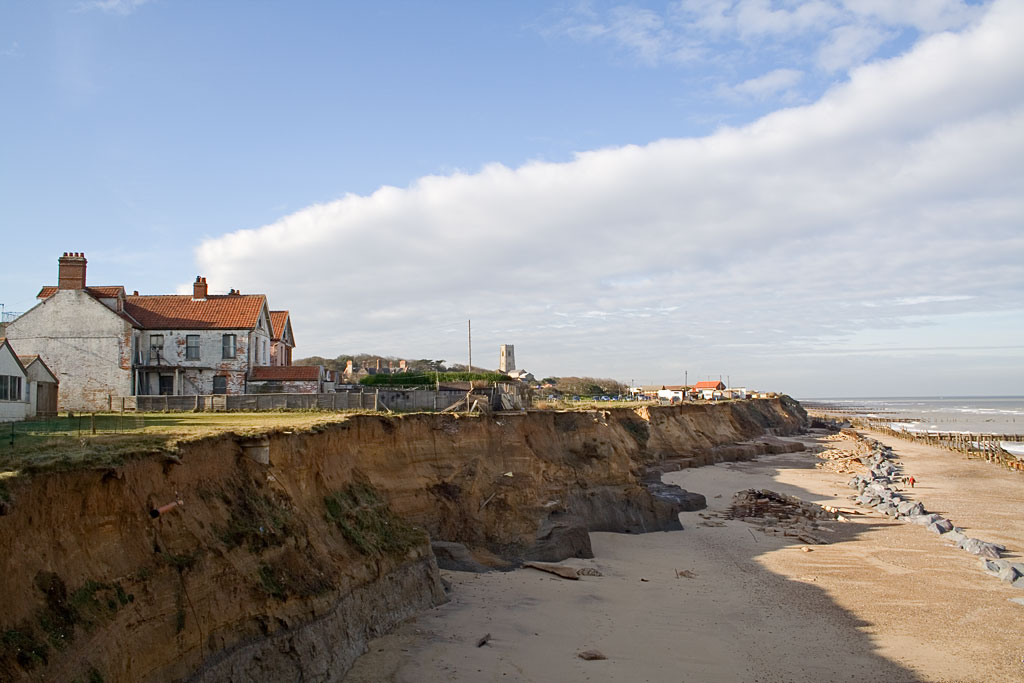
Coastal erosion is the wearing away of land by waves and other coastal processes. Over time, the sea removes rock, soil, and sediment from the coastline.
This process shapes many coastal landforms such as:
Cliffs
Caves
Arches
Stacks
Wave-cut platforms
Erosion is natural, but it can become a serious problem when it threatens homes, roads, or infrastructure.
Most exam boards focus on four key processes. These are the foundation of coastal geography.
Hydraulic action happens when waves crash against the coast and force air into cracks in the rock.
When the wave retreats, the air expands explosively. Over time, this pressure breaks the rock apart.
Think of it like repeatedly blowing air into a tiny crack until it widens.
Exam Tip:
Mention compression of air and pressure changes for higher marks.
Abrasion occurs when rocks and pebbles carried by waves are thrown against the cliff face.
This acts like sandpaper, scraping and grinding away the rock.
Stronger waves = more energy = faster erosion.
Real Example:
During storms, abrasion increases because waves carry larger rock fragments.
Attrition is different because it happens between rocks, not directly against the cliff.
Rocks carried by waves collide with each other. Over time, they become:
Smaller
Smoother
More rounded
This is why pebbles on beaches are often smooth.
Solution happens when acidic seawater chemically dissolves certain types of rock.
This process is most common in:
Limestone
Chalk
It is slower than hydraulic action but very important in some coastal regions.
Most exam boards focus on four key processes. These are the foundation of coastal geography.
Hydraulic action happens when waves crash against the coast and force air into cracks in the rock.
When the wave retreats, the air expands explosively. Over time, this pressure breaks the rock apart.
Think of it like repeatedly blowing air into a tiny crack until it widens.
Exam Tip:
Mention compression of air and pressure changes for higher marks.
| Process | What Causes It | What It Does |
|---|---|---|
| Hydraulic Action | Wave pressure | Breaks rock via air compression |
| Abrasion | Rocks hitting cliff | Scrapes and wears away rock |
| Attrition | Rocks colliding | Makes rocks smaller and smoother |
| Solution | Chemical reaction | Dissolves soluble rock |
In exams, you should explain both how and why each process happens.
Coastal erosion types rarely act alone.
For example:
Hydraulic action weakens the rock.
Abrasion removes loosened material.
Attrition breaks debris into smaller pieces.
Over time, this leads to dramatic coastal features.
Understanding this interaction helps you write stronger 6- or 9-mark answers.
Landforms Created by Coastal Erosion
Waves attack the base of a cliff, forming a notch.
Eventually, the cliff collapses.
Repeated collapse creates a wave-cut platform.
Landforms Created by Coastal Erosion
Waves attack the base of a cliff, forming a notch.
Eventually, the cliff collapses.
Repeated collapse creates a wave-cut platform.
Cracks in headlands widen due to hydraulic action.
Crack → Cave → Arch → Stack → Stump
This sequence is a classic exam question.
Not all coastlines erode at the same speed.
Key factors include:
Hard rock (granite) erodes slowly
Soft rock (clay) erodes quickly
Destructive waves increase erosion because they:
Have strong backwash
Remove material from beaches
Coastal management structures can change erosion patterns.
For example:
Groynes interrupt sediment movement
Sea walls reflect wave energy
Sometimes protecting one area increases erosion elsewhere.
Not all coastlines erode at the same speed.
Key factors include:
Hard rock (granite) erodes slowly
Soft rock (clay) erodes quickly
Destructive waves increase erosion because they:
Have strong backwash
Remove material from beaches
Coastal management structures can change erosion patterns.
For example:
Groynes interrupt sediment movement
Sea walls reflect wave energy
Sometimes protecting one area increases erosion elsewhere.
Rising sea levels increase coastal erosion.
Why?
Higher sea levels mean waves attack further up cliffs
Stronger storms increase wave energy
More frequent extreme weather speeds up erosion
This makes coastal protection more important than ever.
Understanding Coastal Erosion Types also helps explain why management is needed.
Sea walls
Groynes
Rock armour
These physically block wave energy.
Beach nourishment
Managed retreat
Dune regeneration
These work with natural processes instead of against them.
In exams, always link management strategies to erosion processes.
Many students lose marks by listing processes without explaining them properly.
Here’s a strong structure:
Define the process clearly
Explain how it works step by step
Use key terminology
Add an example
Link to landforms or management
Avoid just memorizing definitions. Focus on understanding.
Confusing abrasion with attrition
Forgetting to explain air compression in hydraulic action
Not linking erosion to landforms
Writing too generally
Clarity and detail matter more than length.
Coastal erosion is part of:
IB Geography Coastal Systems
A Level Physical Geography
GCSE Coastal Landscapes
It often appears in:
4–6 mark explanation questions
9–16 mark extended responses
Case study questions
Understanding it deeply improves overall geography performance.
Coastal Erosion Types are not just definitions to memorize. They are active processes that shape our coastlines and impact communities worldwide.
By understanding hydraulic action, abrasion, attrition, and solution — and how they work together — you can explain landform formation clearly and confidently.
If you’re preparing for IB or A Level Geography, focus on understanding processes, linking them to examples, and practicing structured answers. Strong geographical knowledge combined with exam technique leads to better results.
At IB Demystified, we always encourage students to move beyond memorization and aim for clear, confident explanations.
The four main types are hydraulic action, abrasion, attrition, and solution.
Hydraulic action is often considered the most powerful because wave pressure can break apart rock quickly, especially during storms.
Abrasion involves rocks hitting the cliff face.
Attrition involves rocks hitting each other.
Erosion weakens rock structures, leading to features such as cliffs, caves, arches, and stacks.
Yes. Rising sea levels and stronger storms increase wave energy and accelerate erosion.
It helps us understand landform formation, manage coastal risks, and protect communities.
IB Demystified is a trusted online learning platform led by certified IB examiners and educators.
© 2026 IB Demystified LTD
ALL RIGHTS RESERVED.
Powered by AfiaDigital
WhatsApp us